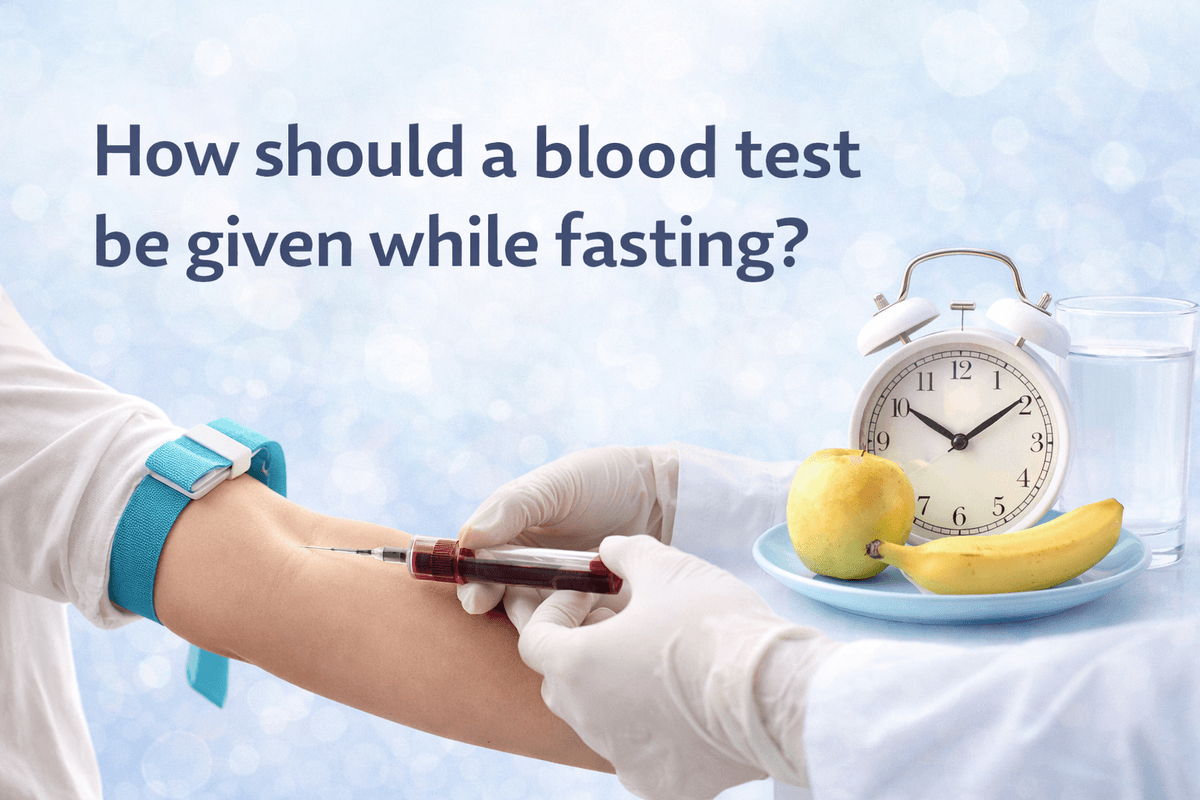
How should a blood test be given while fasting?
Blood tests play a crucial role in diagnosing health conditions, monitoring ongoing treatments, and preventing future medical issues. Among them, fasting blood tests are some of the most commonly prescribed investigations. Yet, many people feel confused or anxious when they hear the instruction “come fasting”. Questions about what fasting really means, what can be consumed, and how to prepare correctly are extremely common. Understanding Fasting Before a Blood Test is essential to ensure accurate and reliable test results.
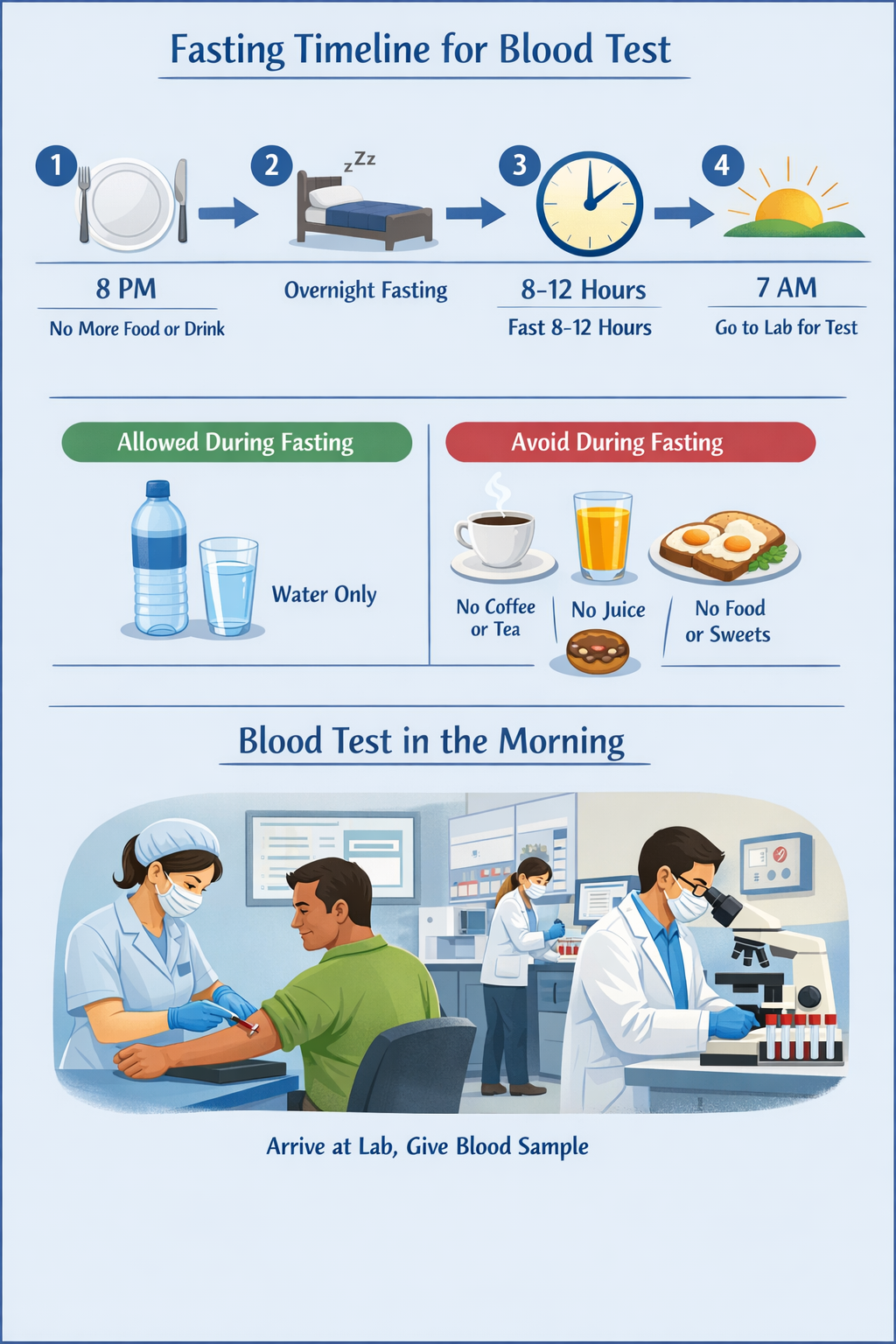
A fasting blood test usually requires you to avoid eating and drinking anything except water for a specific period before your sample is collected. These fasting blood test instructions are given because food, beverages, and even certain medications can temporarily alter blood components. If fasting guidelines are not followed properly, test results may be misleading, leading to unnecessary repeat tests or incorrect clinical decisions.
One of the most frequently asked questions is, “do you drink water during fasting blood test?” The answer is yes—plain water is generally allowed and even encouraged. Drinking water helps prevent dehydration, makes veins easier to locate, and does not interfere with most test values. However, tea, coffee, juices, milk, or sugary drinks should be strictly avoided, as they can impact glucose and lipid readings.
Another important consideration is timing. The best time to take a fasting blood test is usually early in the morning. Overnight fasting is easier for most people, reduces discomfort, and ensures consistency in results. Morning testing also helps doctors compare values accurately, especially for tests like cholesterol and sugar levels, which can fluctuate throughout the day.
For people undergoing fasting blood glucose test preparation, correct fasting becomes even more critical. Blood glucose levels are highly sensitive to recent food intake. Even a small snack or sweetened drink can raise sugar levels and distort the test outcome. That’s why doctors emphasize strict fasting guidelines for glucose and lipid profile tests.
Preparation doesn’t end with food alone. Fasting and medication before blood test is another area where patients often feel unsure. Some medications may need to be continued, while others might be paused temporarily. This decision depends on the test type and the patient’s medical condition. It is always important to follow your doctor’s advice and never stop prescribed medication without professional guidance.
In urban healthcare settings, diagnostic accuracy is a priority. Many people opt for trusted laboratories offering blood tests in Bangalore, where standardized procedures and modern equipment help ensure reliable results. Reputed diagnostic centers also provide clear instructions, reminders, and support to help patients prepare correctly for fasting tests, reducing anxiety and confusion.
Overall, fasting blood tests are simple but require attention to detail. Knowing what fasting means, understanding the fasting blood test instructions, choosing the best time to take a fasting blood test, and following correct fasting blood glucose test preparation steps all contribute to accurate test results.
What Does Fasting Mean for a Blood Test?
When a doctor advises fasting before a blood test, it simply means avoiding all food and most drinks for a specific period before your blood sample is collected. Fasting Before a Blood Test is essential because what you eat or drink can directly affect certain blood test results, leading to inaccurate readings and possible misdiagnosis.
Fasting is commonly required for tests that measure blood sugar, cholesterol, triglycerides, and certain metabolic markers. When food is consumed, nutrients like glucose, fats, and proteins enter the bloodstream and temporarily alter test values. That’s why clear fasting blood test instructions are given—to ensure the results reflect your body’s baseline levels rather than recent meals.
Typically, fasting involves abstaining from food for 8 to 12 hours. During this time, you should not consume snacks, fruits, sweets, or beverages like tea, coffee, milk, or juice. One of the most common questions patients ask is, do you drink water during fasting blood test? The answer is yes—plain water is allowed and even recommended. Staying hydrated helps prevent dizziness and makes blood collection easier by improving vein visibility.
Understanding fasting also involves knowing the best time to take a fasting blood test. Most healthcare providers recommend scheduling the test early in the morning. Overnight fasting is more comfortable, easier to manage, and reduces the risk of accidental eating. Morning testing also ensures consistent and comparable results, especially for cholesterol and glucose-related tests.
For individuals undergoing fasting blood glucose test preparation, fasting becomes particularly important. Blood glucose levels can rise quickly after eating, even from small snacks or sweetened drinks. If fasting guidelines are not followed strictly, blood sugar results may appear higher than they truly are, which can affect diagnosis or treatment decisions for conditions like diabetes or prediabetes.
Another important aspect of fasting is medication management. Fasting and medication before blood test can be confusing for many patients. Some medications may need to be continued as usual, while others might temporarily influence test results. For example, certain diabetes or cholesterol medications can affect blood values. It is crucial to follow your doctor’s instructions and never stop prescribed medication without professional guidance.
In cities with advanced healthcare facilities, many patients choose trusted diagnostic centers offering blood tests in Bangalore. These centers usually provide clear fasting guidelines through appointment reminders, phone calls, or written instructions. Reputed labs also ensure proper sample handling, which further improves test accuracy.
It’s also important to understand what fasting does not mean. Fasting does not involve skipping water, starving for extended periods, or engaging in heavy exercise before the test. In fact, strenuous physical activity before a fasting blood test can alter results just as much as food intake. Rest, hydration, and calm preparation are key.
Breaking a fast accidentally—such as having a cup of coffee or a small snack—can impact results. If this happens, it’s best to inform the lab staff or your doctor. In some cases, the test may need to be rescheduled to ensure accurate readings. Honest communication helps avoid incorrect interpretations.
Fasting for a blood test means giving your body time to return to a natural, resting state so that test results are reliable. Following proper fasting blood test instructions, knowing do you drink water during fasting blood test, choosing the best time to take a fasting blood test, and managing fasting and medication before blood test correctly all play a vital role in accurate diagnosis. Whether you’re preparing for routine screening or specialized blood tests in Bangalore, understanding fasting helps you approach testing with confidence and clarity.
Why Is Fasting Important Before Certain Blood Tests?
Fasting is one of the most important preparation steps before specific blood tests, yet it is often misunderstood or taken lightly. Fasting Before a Blood Test is recommended because food, beverages, and even some medications can temporarily change the composition of your blood. These changes may affect test results and lead to inaccurate readings, which can impact diagnosis and treatment decisions.
Certain blood tests are designed to measure baseline levels of substances in the bloodstream. When you eat, your body releases glucose, fats, and hormones into the blood. Without proper fasting blood test instructions, these substances can remain elevated at the time of testing, masking the body’s true resting values. This is especially important for cholesterol tests, lipid profiles, and glucose-related investigations.
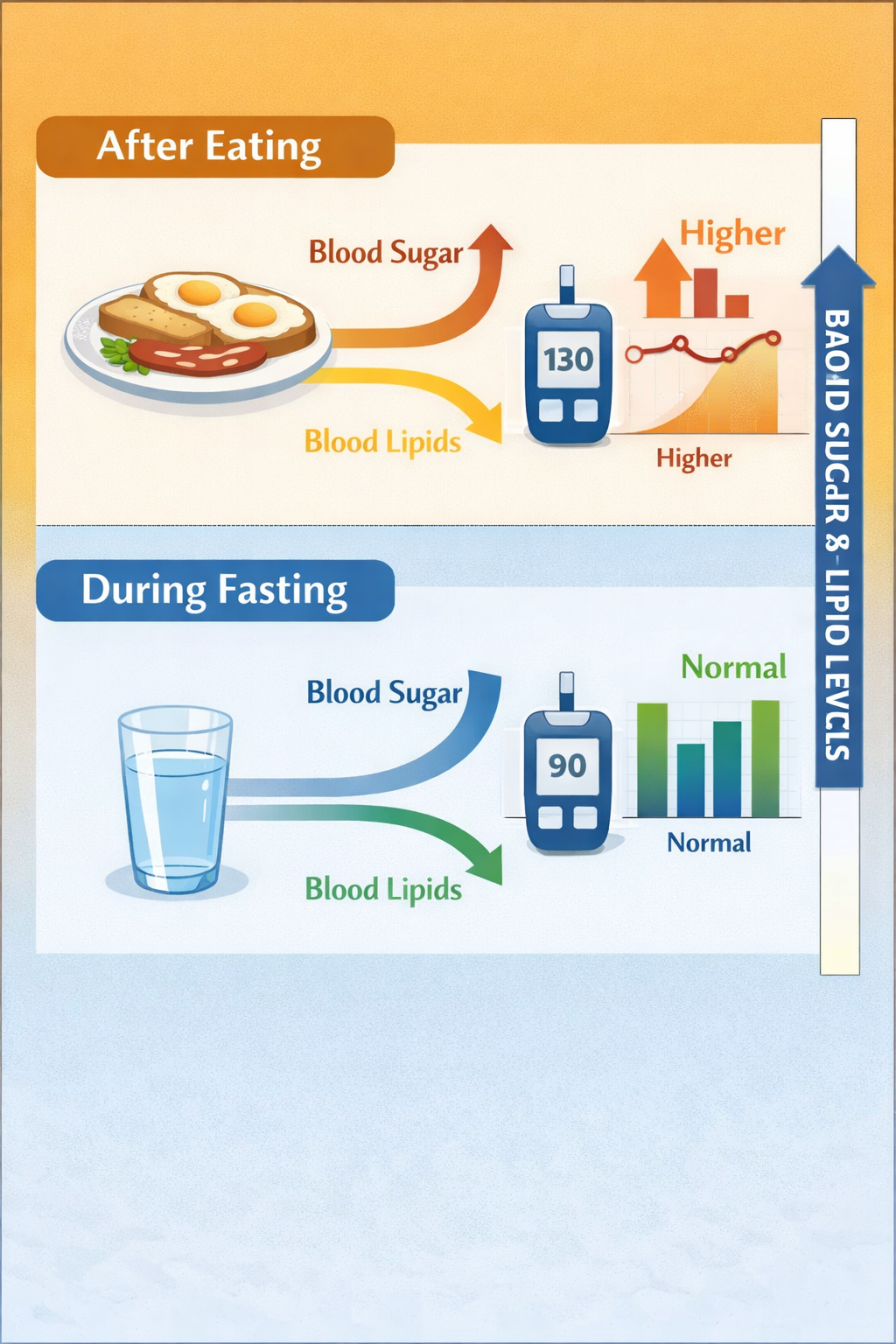
One of the most common tests requiring strict fasting is blood sugar evaluation. Proper fasting blood glucose test preparation is essential for detecting conditions such as diabetes or prediabetes. Even small amounts of food or sugary drinks can spike glucose levels temporarily. If fasting is not followed, test results may appear higher than normal, potentially leading to unnecessary concern or incorrect treatment adjustments.
Many patients worry about hydration and ask, do you drink water during fasting blood test? The answer is yes—plain water is allowed and encouraged. Water does not interfere with test values and helps prevent dehydration, dizziness, and difficulty during blood sample collection. However, tea, coffee, milk, juices, or flavored drinks must be avoided, as they can affect glucose and fat levels.
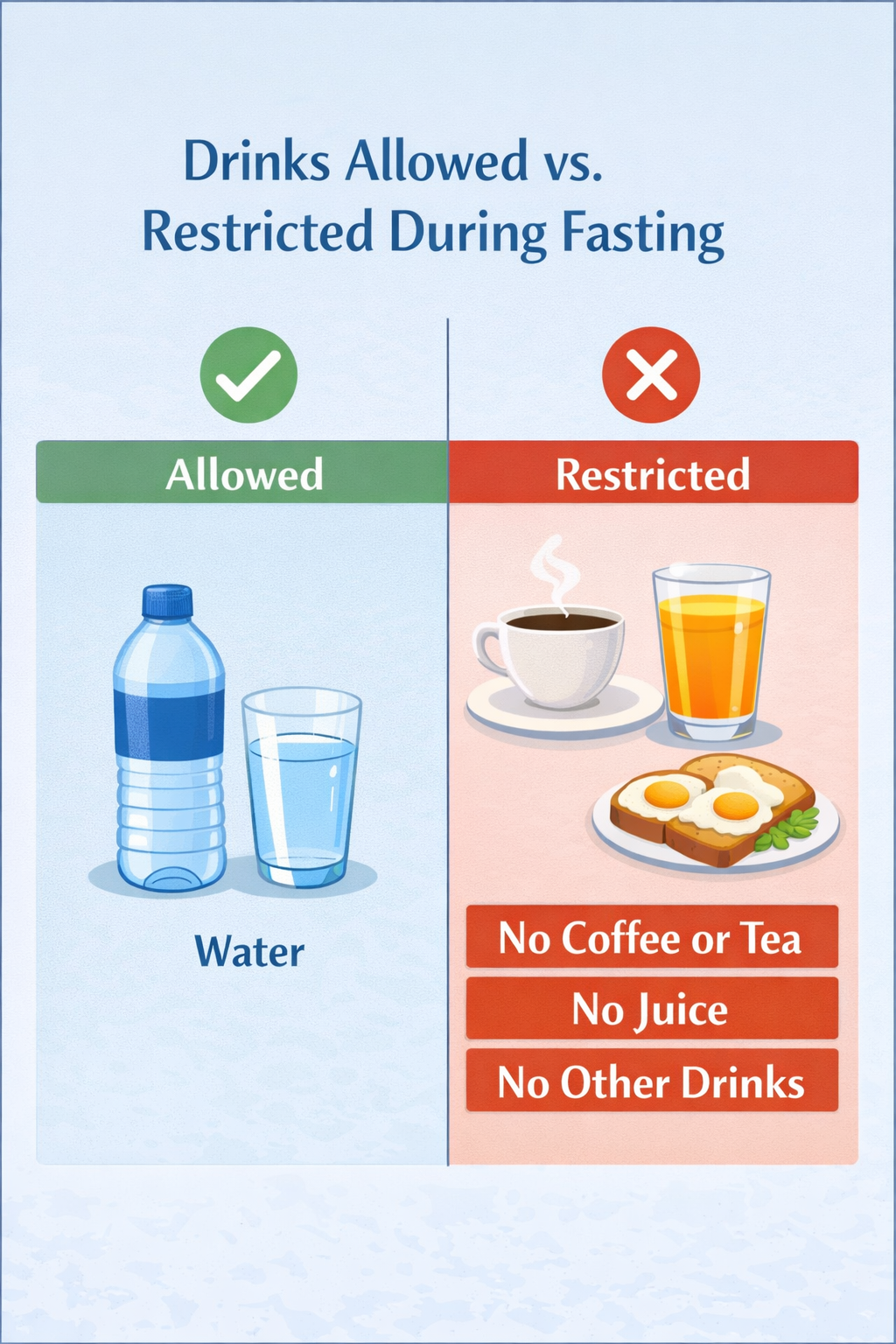
Timing is another critical reason fasting matters. The best time to take a fasting blood test is early in the morning after an overnight fast of 8 to 12 hours. Morning testing ensures consistency because blood sugar and cholesterol levels naturally fluctuate throughout the day. Overnight fasting is also easier to maintain and reduces the risk of accidental eating.
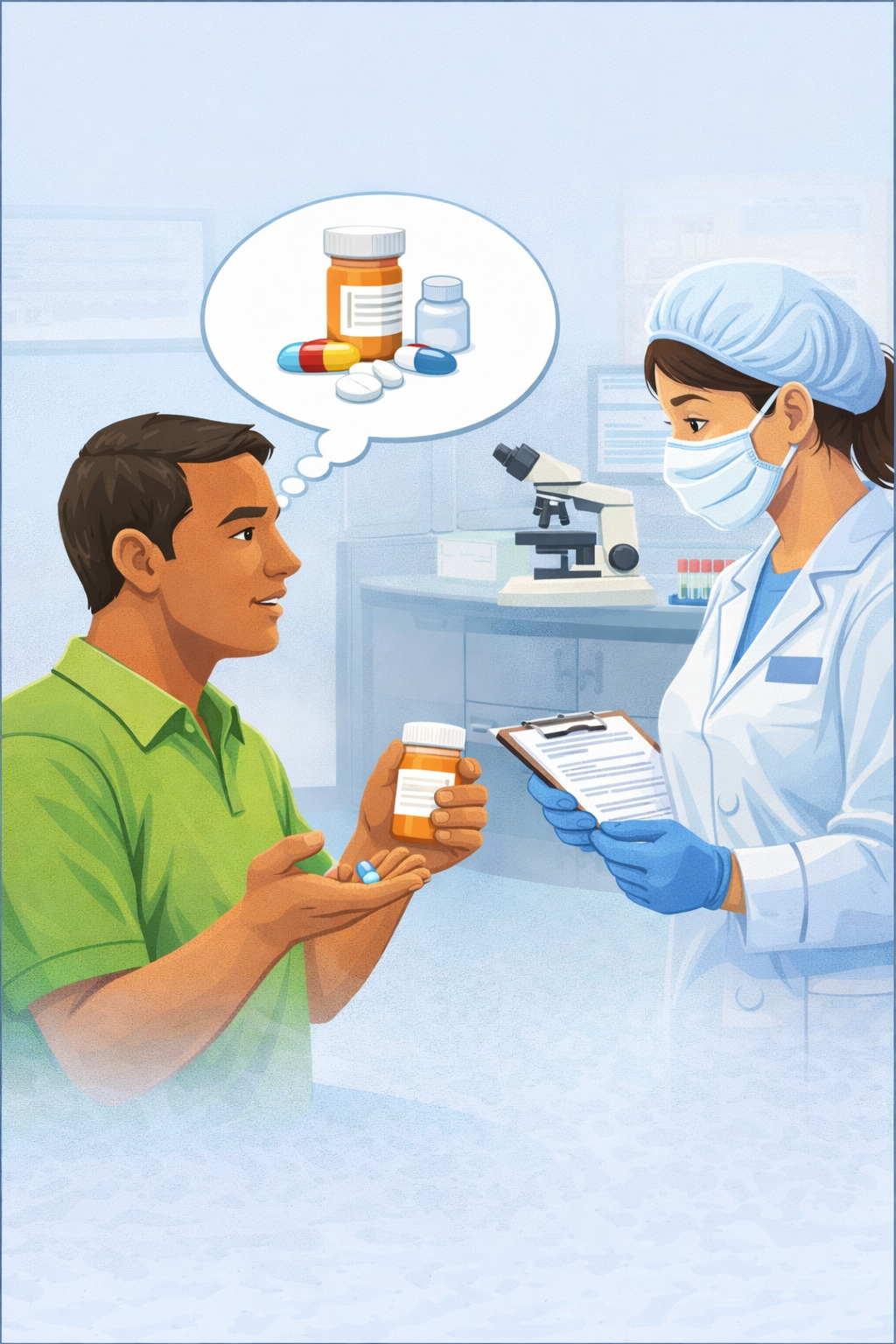
Medication use is another factor that makes fasting important. Fasting and medication before blood test can affect results if not managed correctly. Some medications, especially those for diabetes, blood pressure, or cholesterol, may influence blood readings. Doctors usually advise whether medications should be taken as usual or adjusted temporarily. It is important never to stop prescribed medication unless instructed by your healthcare provider.
In cities with advanced healthcare infrastructure, diagnostic accuracy is highly prioritized. Many patients rely on accredited laboratories offering blood tests in Bangalore, where strict quality protocols are followed. However, even the most advanced lab equipment cannot compensate for improper fasting. Correct patient preparation remains essential for accurate diagnosis.
Skipping fasting or breaking it accidentally can lead to repeat tests, delayed reports, and unnecessary stress. For example, eating before a cholesterol test may falsely elevate lipid levels, making it difficult for doctors to assess cardiovascular risk accurately. This is why healthcare providers emphasize following fasting blood test instructions exactly as advised.
Fasting is important because it eliminates short-term dietary effects on blood chemistry and ensures reliable test results. Understanding Fasting Before a Blood Test, knowing do you drink water during fasting blood test, choosing the best time to take a fasting blood test, and managing fasting and medication before blood test correctly all contribute to accurate outcomes. Whether you’re undergoing routine screening or specialized blood tests in Bangalore, proper fasting helps your doctor make confident, informed medical decisions.
Which Blood Tests Require Fasting?
Not all blood tests require fasting, but for certain investigations, Fasting Before a Blood Test is essential to ensure accurate and meaningful results. Many people feel unsure about which tests need fasting and why doctors insist on strict preparation for some tests but not others. Understanding this difference helps avoid confusion, repeat tests, and inaccurate reports.
Blood tests that measure substances directly affected by food intake usually require fasting. When you eat, nutrients like glucose and fats enter the bloodstream, temporarily changing blood chemistry. This is why doctors provide specific fasting blood test instructions for certain tests—to measure baseline levels rather than post-meal fluctuations.
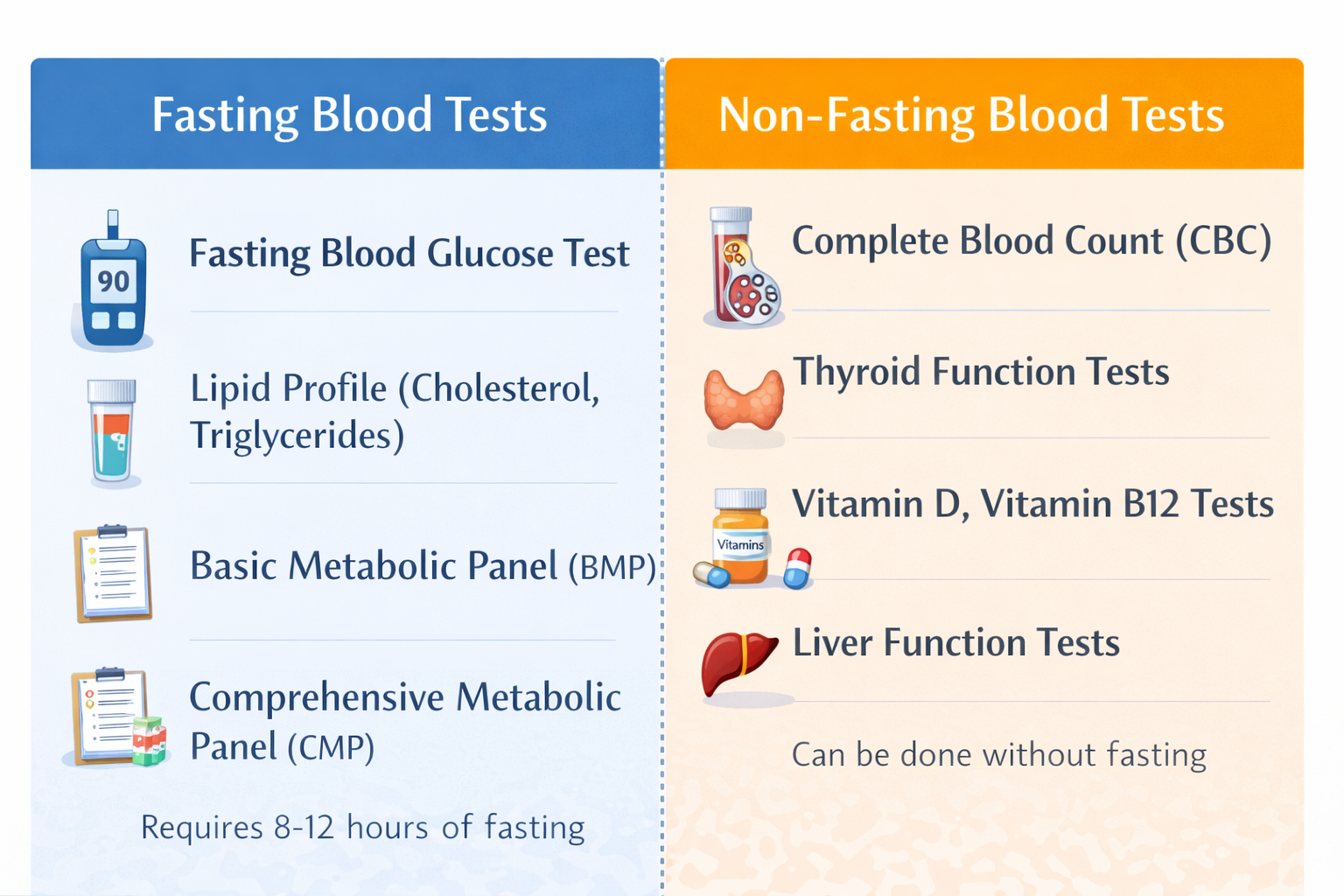
One of the most common tests requiring fasting is the fasting blood glucose test. Proper fasting blood glucose test preparation is crucial for diagnosing diabetes, prediabetes, or monitoring blood sugar control. Eating or drinking anything other than water before this test can raise glucose levels and lead to misleading results. Typically, an 8–12 hour fast is required.
Lipid profile tests, including total cholesterol, LDL, HDL, and triglycerides, also require fasting. Fatty foods can significantly elevate triglyceride levels for several hours after eating. Without fasting, doctors may not be able to assess cardiovascular risk accurately. This makes fasting an essential part of reliable cholesterol testing.
Another test that often requires fasting is the basic metabolic panel (BMP) or comprehensive metabolic panel (CMP), depending on the components included. These panels may assess glucose, electrolytes, and kidney function, all of which can be influenced by recent meals.
Patients frequently ask, do you drink water during fasting blood test? Yes—plain water is allowed and recommended. Water does not affect blood glucose or lipid levels and helps prevent dehydration, dizziness, and difficulty during sample collection. However, tea, coffee, milk, juice, or sweetened drinks must be avoided, as they can interfere with test values.
Tests that usually do not require fasting include complete blood count (CBC), thyroid function tests, vitamin D, vitamin B12, liver function tests (in many cases), and most hormone tests. However, doctors may still recommend fasting depending on the patient’s condition or if multiple tests are being done together.
Timing plays an important role as well. The best time to take a fasting blood test is early in the morning after overnight fasting. Morning testing ensures consistent results because glucose and lipid levels naturally vary throughout the day. Overnight fasting is also easier to maintain and reduces the chance of accidental eating.
Medication use is another important consideration. Fasting and medication before blood test can affect results if not handled correctly. Some medications must be taken as usual, while others—especially diabetes or lipid-lowering drugs—may need special instructions. Always inform your doctor and lab staff about any medications or supplements you are taking.
In modern diagnostic settings, accurate preparation is as important as advanced technology. Many patients rely on certified labs offering blood tests in Bangalore, where quality control is strict. However, even the best laboratories cannot correct results affected by improper fasting. Patient preparation remains a key factor in reliable testing.
Blood tests that measure glucose, cholesterol, triglycerides, and certain metabolic markers usually require fasting. Following proper fasting blood test instructions, understanding do you drink water during fasting blood test, choosing the best time to take a fasting blood test, and managing fasting and medication before blood test correctly ensures accurate results. Whether you’re undergoing routine screening or specialized blood tests in Bangalore, knowing which tests require fasting helps you prepare confidently and avoid unnecessary delays.
How Long Should You Fast Before a Blood Test?
One of the most common questions patients ask before laboratory testing is how long they should fast. Understanding the correct duration for Fasting Before a Blood Test is essential because fasting time directly affects the accuracy of certain blood test results. Fasting for too little or too long can lead to misleading values, which may require repeat testing or incorrect medical interpretation.
In most cases, the standard fasting duration recommended by doctors is 8 to 12 hours. This means you should avoid eating food and drinking anything other than water during this period. These fasting blood test instructions are designed to ensure that your blood components return to baseline levels, free from the influence of recent meals.
For tests such as blood sugar evaluation, proper fasting blood glucose test preparation usually requires at least 8 hours of fasting. Eating even a small snack before the test can temporarily raise glucose levels, leading to inaccurate results. For lipid profile tests, including cholesterol and triglycerides, doctors often recommend fasting for 10 to 12 hours, as fats remain in the bloodstream longer after eating.
Patients often wonder, do you drink water during fasting blood test? Yes, plain water is allowed and encouraged throughout the fasting period. Drinking water helps prevent dehydration, reduces dizziness, and makes blood collection easier by keeping veins well hydrated. However, beverages such as tea, coffee, milk, juice, or flavored drinks must be avoided, as they can affect glucose and lipid readings.
The best time to take a fasting blood test is early in the morning. Overnight fasting is easier to maintain, minimizes discomfort, and reduces the risk of accidental eating. Morning testing also ensures consistency, as blood sugar and cholesterol levels naturally fluctuate throughout the day. This is why most diagnostic centers schedule fasting tests between early morning hours.
It’s important to note that fasting requirements can vary depending on the specific test. While many tests require 8–12 hours of fasting, others may not require fasting at all. That’s why it’s crucial to follow your doctor’s or laboratory’s exact fasting blood test instructions rather than making assumptions.
Another important consideration is medication use. Fasting and medication before blood test can be confusing, especially for patients managing chronic conditions. Some medications must be taken as prescribed even during fasting, while others—such as diabetes or cholesterol medications—may need special instructions. Never stop or adjust medication without consulting your doctor, and always inform the lab staff about any medicines or supplements you are taking.
In cities with advanced diagnostic facilities, patients often rely on trusted laboratories offering blood tests in Bangalore, where clear instructions are provided before testing. Many labs send reminders via messages or calls to help patients prepare correctly. However, even with advanced lab technology, accurate results depend heavily on correct fasting duration followed by the patient.
Fasting longer than recommended is generally not beneficial and may cause weakness, dizziness, or low blood sugar, especially in elderly individuals or those with medical conditions. If you are unsure about how long to fast, it’s always best to confirm with your healthcare provider or diagnostic center before the test.
Fasting for 8 to 12 hours is usually sufficient for most fasting blood tests, including glucose and lipid profiles. Following proper Fasting Before a Blood Test, understanding do you drink water during fasting blood test, choosing the best time to take a fasting blood test, and managing fasting and medication before blood test carefully all contribute to accurate and reliable results. Whether you’re preparing for routine screening or specialized blood tests in Bangalore, knowing the correct fasting duration helps ensure a smooth testing experience and dependable health insights.
What Can You Drink While Fasting for a Blood Test?
When preparing for a fasting blood test, one of the most common doubts patients have is about what they are allowed to drink. While Fasting Before a Blood Test mainly focuses on avoiding food, beverages also play a critical role in ensuring accurate test results. Drinking the wrong liquids during fasting can alter blood values and affect diagnosis.
In general, fasting means avoiding all food and most drinks for a specified period, usually 8 to 12 hours. These fasting blood test instructions are given to ensure that substances like glucose, fats, and hormones in the blood are not influenced by recent intake. Understanding what you can and cannot drink during this period is essential for reliable results.
The most important and reassuring answer to the question do you drink water during fasting blood test is yes—plain water is allowed and encouraged. Drinking water helps keep the body hydrated, prevents dizziness, and makes it easier for the technician to find veins during blood collection. Water does not interfere with blood glucose, cholesterol, or lipid levels, making it safe during fasting.
However, all other beverages should be avoided. Tea and coffee, even without sugar or milk, can stimulate metabolism and influence blood sugar and hormone levels. Milk contains natural sugars and fats that can affect cholesterol and glucose readings. Fruit juices, soft drinks, and energy drinks are high in sugar and calories, which can significantly alter test results. Alcohol should also be avoided for at least 24 hours before testing, as it can impact liver function and lipid profiles.
This is especially important during fasting blood glucose test preparation. Even small amounts of sugar from drinks can cause a temporary spike in blood glucose levels, leading to inaccurate readings. For people being tested for diabetes or prediabetes, strict adherence to fasting guidelines is critical.
Timing also plays a role in hydration. The best time to take a fasting blood test is early in the morning after overnight fasting. Drinking water upon waking is usually safe and recommended unless your doctor advises otherwise. Morning testing reduces the likelihood of accidental consumption of restricted drinks and helps ensure consistency in test values.
Another common concern is whether medications can be taken with water during fasting. Fasting and medication before blood test should always be discussed with your doctor. In many cases, essential medications can be taken with a small amount of water. However, certain medications—especially those affecting blood sugar or cholesterol—may need special instructions. Always inform the lab staff about any medicines or supplements you are taking.
In cities with advanced healthcare facilities, diagnostic centers offering blood tests in Bangalore often provide clear pre-test instructions to help patients prepare correctly. Many labs also share guidelines through appointment reminders, ensuring patients understand what they can drink during fasting. Following these instructions helps avoid delays or repeat testing.
It’s also important to avoid chewing gum, lozenges, or flavored mouth fresheners during fasting. Even sugar-free products may contain sweeteners that can stimulate digestion and affect test results. Stick to plain water only unless instructed otherwise by your healthcare provider.
When fasting for a blood test, plain water is the only drink that is universally allowed. Understanding Fasting Before a Blood Test, following fasting blood test instructions, knowing do you drink water during fasting blood test, choosing the best time to take a fasting blood test, and managing fasting and medication before blood test correctly all contribute to accurate results. Whether you’re undergoing routine screening or specialized blood tests in Bangalore, drinking the right fluids during fasting ensures a smooth testing process and reliable health insights.
Foods and Drinks to Avoid Before a Fasting Blood Test
Preparing correctly for a fasting blood test is essential for getting accurate and reliable results. While many people understand the concept of Fasting Before a Blood Test, they are often unsure about which foods and drinks must be avoided and why. Ignoring proper fasting blood test instructions can temporarily alter blood values and may lead to misleading reports or repeat testing.
During fasting, your goal is to keep your blood in a resting, baseline state. This means avoiding anything that can raise blood sugar, fats, or hormones. Even small amounts of food or certain beverages can interfere with results, especially for tests related to glucose and cholesterol.
The most important category to avoid is solid food. This includes meals, snacks, fruits, sweets, biscuits, and even so-called “light” foods. Eating before a test introduces glucose and fats into the bloodstream, which is why strict fasting is required for accurate fasting blood glucose test preparation. Consuming food during the fasting window can falsely elevate blood sugar and lipid levels.
When it comes to drinks, many people ask, do you drink water during fasting blood test? Plain water is allowed and recommended, but all other drinks must be avoided. Tea and coffee—even without sugar or milk—can stimulate digestion and influence blood sugar and hormone levels. Milk contains natural sugars and fats that can affect cholesterol and glucose readings. Fruit juices, soft drinks, and energy drinks are high in sugar and calories and must be strictly avoided.
Alcohol is another important substance to avoid before a fasting blood test. Alcohol can affect liver function, triglyceride levels, and blood sugar readings. Doctors usually recommend avoiding alcohol for at least 24 hours before testing to prevent distorted results.
Certain chewing products should also be avoided. Chewing gum, mouth fresheners, or lozenges—especially flavored or sweetened ones—can stimulate insulin release and interfere with fasting results. Even sugar-free products may contain artificial sweeteners that affect metabolism.
Timing plays a key role in avoiding these foods and drinks. The best time to take a fasting blood test is early in the morning after an overnight fast of 8 to 12 hours. This makes it easier to avoid eating and reduces the risk of accidentally consuming restricted items. Morning testing also helps maintain consistency in test values.
Another area that often causes confusion is medication use. Fasting and medication before blood test should always be discussed with your doctor. Some medications must be continued as prescribed, while others—particularly those for diabetes or cholesterol—may affect blood test results. Never stop medication on your own; always follow professional advice and inform the lab staff about any medicines or supplements you are taking.
In healthcare hubs with advanced diagnostics, many people rely on accredited centers offering blood tests in Bangalore, where clear fasting guidelines are provided before testing. These labs often send reminders explaining which foods and drinks to avoid, helping patients prepare correctly and avoid delays.
It’s also important to avoid heavy physical activity before a fasting blood test. Intense exercise can temporarily alter glucose and enzyme levels, just like food intake. Staying calm, hydrated with water, and well-rested is the best approach.
Before a fasting blood test, avoid all solid foods, sugary or caffeinated drinks, milk, juices, alcohol, and chewing products. Follow proper Fasting Before a Blood Test, adhere to fasting blood test instructions, understand do you drink water during fasting blood test, choose the best time to take a fasting blood test, and manage fasting and medication before blood test carefully. Whether you’re preparing for routine screening or specialized blood tests in Bangalore, avoiding the wrong foods and drinks ensures accurate results and a smooth testing experience.
Can You Take Medicines While Fasting for a Blood Test?
When preparing for a fasting blood test, many patients are unsure about whether they should take their regular medicines. Understanding how fasting and medication before blood test works is important, as some medicines can influence test results while others must be taken to maintain health and safety. Following the right guidance ensures accurate results without compromising your well-being.
In general, Fasting Before a Blood Test means avoiding food and most drinks, not necessarily stopping all medications. However, the type of medicine you take and the purpose of the blood test play a crucial role. This is why doctors often provide specific fasting blood test instructions tailored to your condition.
A common question patients ask is, do you drink water during fasting blood test? Yes, plain water is allowed and usually recommended. Most essential medications can be taken with a small amount of water unless your doctor advises otherwise. Water helps prevent dehydration and does not interfere with most blood test values.
Some medications, especially those related to blood sugar or cholesterol, may need special attention. During fasting blood glucose test preparation, doctors may advise adjusting the timing of diabetes medications or insulin to prevent low blood sugar levels during fasting. Cholesterol-lowering medicines may also affect lipid test results, so your doctor will guide you on whether to take them before or after the test.
The best time to take a fasting blood test is typically early in the morning. Morning testing allows patients to fast overnight and resume medications soon after the test, reducing the risk of missed doses. If you take multiple medications daily, inform your healthcare provider in advance so they can give clear instructions.
Patients visiting diagnostic centers for blood tests in Bangalore are often asked to declare any medicines or supplements they are taking. This information helps lab professionals interpret results accurately. Even vitamins, herbal supplements, or over-the-counter medicines can influence certain test values, so transparency is essential.
It is important never to stop prescribed medication on your own. Abruptly discontinuing medicines for blood pressure, heart conditions, or thyroid disorders can be harmful. Always consult your doctor regarding fasting and medication before blood test to avoid health risks.
Most medications can be taken during fasting with water, but some may require timing adjustments depending on the test. Understanding Fasting Before a Blood Test, following fasting blood test instructions, knowing do you drink water during fasting blood test, choosing the best time to take a fasting blood test, and managing fasting blood glucose test preparation properly ensures both safety and accuracy. Whether you’re undergoing routine screening or specialized blood tests in Bangalore, proper medication management during fasting supports reliable results and peace of mind.
What Happens If You Accidentally Eat During Fasting?
Accidentally eating during a fasting period before a blood test is a common concern, and it can happen more easily than expected. While Fasting Before a Blood Test is important for accurate results, an unintentional mistake does not mean you should panic. However, it is important to understand how eating can affect test outcomes and what steps to take next.
When you eat or drink anything other than water during fasting, it can temporarily change blood sugar, cholesterol, and triglyceride levels. This is why strict fasting blood test instructions are given, especially for tests related to glucose and lipid profiles. Eating even a small snack may interfere with proper fasting blood glucose test preparation, potentially leading to higher-than-normal readings.
Patients often ask, do you drink water during fasting blood test? Plain water is always allowed and does not affect test results. If you accidentally consume food or a restricted beverage, inform the lab staff or your doctor before the sample is collected. Honest communication helps healthcare providers decide whether the test can proceed or should be rescheduled.
The best time to take a fasting blood test is usually early in the morning after overnight fasting. If the fast is broken during the night or early morning, doctors may advise postponing the test to another day to ensure reliable results. This is especially important for people being tested for diabetes or cholesterol-related conditions.
Medication can also complicate fasting. Fasting and medication before blood test should always be managed according to your doctor’s advice. If food was consumed to prevent dizziness or low blood sugar while taking medication, inform the healthcare provider so results can be interpreted correctly.
At certified diagnostic centers offering blood tests in Bangalore, lab professionals are trained to guide patients in such situations. They may recommend repeating the test or adjusting the schedule rather than proceeding with inaccurate data.
Accidentally eating during fasting can affect test accuracy, but it is not an emergency. Always inform the lab or doctor if this happens. Following proper Fasting Before a Blood Test, understanding fasting blood test instructions, knowing do you drink water during fasting blood test, and choosing the best time to take a fasting blood test helps ensure accurate and dependable results.
Tips to Prepare Comfortably for a Fasting Blood Test
Fasting blood tests are routine, but many people find them uncomfortable if they are not well prepared. With the right approach, Fasting Before a Blood Test can be smooth, stress-free, and easy to manage. Following proper preparation tips not only improves comfort but also ensures accurate and reliable test results.
The first and most important step is to clearly understand your fasting blood test instructions. Most fasting tests require avoiding food and drinks (except water) for 8 to 12 hours. Knowing the exact fasting duration helps you plan your meals and avoid accidental eating, which could affect results and cause delays.
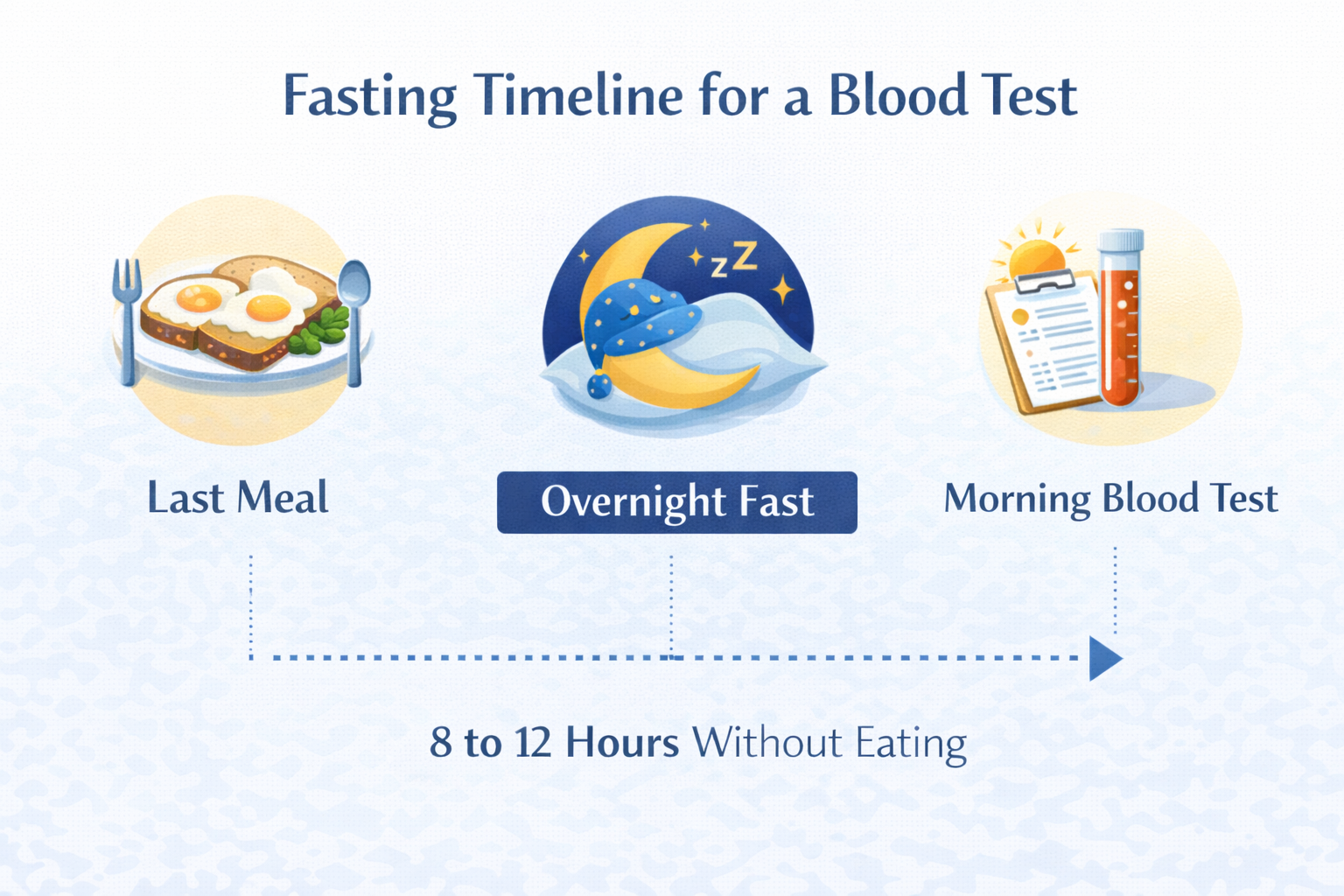
Choosing the best time to take a fasting blood test can significantly improve comfort. Early morning appointments are ideal because you can fast overnight while sleeping. This reduces hunger, fatigue, and irritation compared to fasting during the day. Morning testing also helps maintain consistency in test values, especially for glucose and cholesterol.
Hydration is another key factor. Many people worry and ask, do you drink water during fasting blood test? Yes—plain water is allowed and highly recommended. Drinking enough water helps prevent dehydration, reduces dizziness, and makes veins easier to locate during blood collection. However, avoid tea, coffee, milk, juice, or flavored water, as these can interfere with test results.
If you are preparing for fasting blood glucose test preparation, be extra cautious. Avoid late-night snacks, sugary foods, or alcohol the day before the test. These can raise blood sugar levels and affect results. Eating a balanced, light dinner with protein and fiber can help you feel full longer and make fasting easier.
Managing medicines properly is also important. Fasting and medication before blood test should always be discussed with your doctor. In many cases, essential medications can be taken with a small sip of water, but some medicines—especially for diabetes or cholesterol—may require timing adjustments. Never stop or skip prescribed medication without medical advice.
Wear comfortable clothing on the day of the test, preferably with sleeves that can be rolled up easily. This helps lab technicians draw blood quickly and comfortably. Avoid tight clothing that may restrict circulation.
Try to stay relaxed before your test. Anxiety can sometimes affect blood pressure and heart rate. Gentle breathing, arriving a few minutes early, and sitting calmly before sample collection can help. Avoid strenuous exercise before testing, as it may temporarily alter certain blood values.
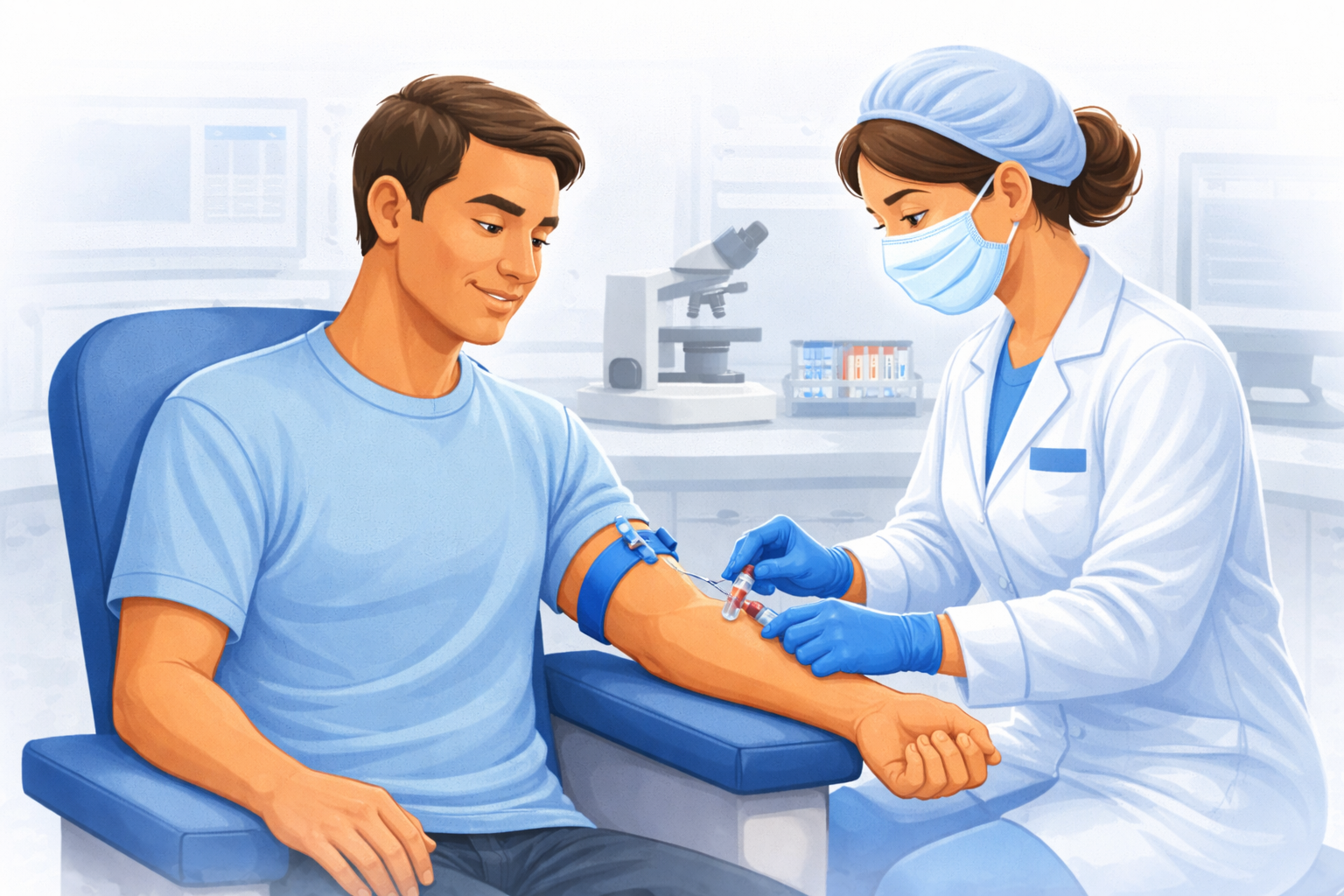
If you feel lightheaded or anxious about fasting, inform the lab staff. Professionals at certified centers offering blood tests in Bangalore are trained to support patients, especially those who feel weak or nervous. They can help you lie down during sample collection or provide guidance after the test.
Plan your post-test meal in advance. Carry a healthy snack or plan breakfast after the test so you can eat soon after fasting ends. This helps restore energy quickly and prevents fatigue.
Preparing comfortably for a fasting blood test involves planning ahead, staying hydrated, choosing the best time to take a fasting blood test, following fasting blood test instructions, and managing fasting and medication before blood test properly. Whether you’re undergoing routine screening or specialized blood tests in Bangalore, these simple tips can make fasting easier while ensuring accurate and dependable results.
Common Mistakes to Avoid During Fasting Blood Tests
Fasting blood tests are routine, yet many people unknowingly make mistakes that can affect test accuracy. Even small errors during Fasting Before a Blood Test can lead to incorrect results, repeat testing, or unnecessary concern. Understanding these common mistakes helps ensure your test results are reliable and meaningful.
One of the most frequent mistakes is eating or snacking during the fasting period. This includes small bites, fruits, biscuits, or sweets taken out of habit. Eating introduces glucose and fats into the bloodstream, which directly affects test values. This is especially critical during fasting blood glucose test preparation, where even a small amount of food can falsely elevate sugar levels.
Another common mistake involves drinking the wrong beverages. Many people ask, do you drink water during fasting blood test? Plain water is allowed and encouraged, but tea, coffee, milk, juice, or flavored drinks must be avoided. Even black coffee or green tea can stimulate metabolism and interfere with blood sugar or lipid readings.
Skipping or misunderstanding fasting blood test instructions is another issue. Some patients assume all blood tests require fasting, while others assume none do. Each test has specific requirements, and failing to follow the correct fasting duration—usually 8 to 12 hours—can compromise results. Always confirm the instructions given by your doctor or diagnostic center.
Timing errors also affect fasting tests. The best time to take a fasting blood test is early in the morning. Delaying the test until later in the day increases hunger, fatigue, and the risk of accidentally eating or drinking restricted items. Morning testing after overnight fasting is more comfortable and ensures consistent results.
Medication-related mistakes are also common. Fasting and medication before blood test should never be handled without medical guidance. Some patients stop essential medicines on their own, while others take medications that may influence results without informing the lab. Certain medicines—especially for diabetes, blood pressure, or cholesterol—can affect blood values. Always follow your doctor’s advice and inform lab staff about all medications and supplements you are taking.
Dehydration is another overlooked mistake. Some people avoid drinking water, thinking it breaks fasting. In reality, dehydration can make veins harder to locate and increase discomfort during blood collection. Drinking water is allowed and helps ensure a smoother testing experience.
Engaging in intense physical activity before a fasting blood test is also a mistake. Heavy exercise can temporarily alter glucose levels, muscle enzymes, and hormone readings, similar to eating. It’s best to rest and avoid strenuous workouts before testing.
Ignoring symptoms such as dizziness or weakness during fasting is another concern. If you feel unwell, inform the lab staff immediately. Professionals at certified centers offering blood tests in Bangalore are trained to assist patients who feel faint or anxious and can take steps to ensure safety during sample collection.
Finally, not informing the lab about accidental fasting errors—such as eating or drinking—can lead to incorrect interpretation of results. Always be honest if a mistake occurs; it’s better to reschedule than rely on inaccurate data.
Avoiding common mistakes during Fasting Before a Blood Test is key to accurate results. Follow proper fasting blood test instructions, understand do you drink water during fasting blood test, choose the best time to take a fasting blood test, and manage fasting and medication before blood test carefully. Whether you’re undergoing routine screening or specialized blood tests in Bangalore, correct preparation ensures dependable results and peace of mind.
How Blood Samples Are Collected During Fasting Tests?
Many people feel anxious about how blood samples are collected, especially when they are fasting. Understanding the process can make Fasting Before a Blood Test much more comfortable and stress-free. Blood sample collection during fasting tests follows a standardized, safe procedure designed to ensure accurate results and patient comfort.
Before sample collection, lab staff usually confirm that you have followed the fasting blood test instructions correctly. This includes asking how long you have fasted, whether you consumed anything other than water, and if you are taking any medications. This step is important because fasting and medication before blood test can influence how results are interpreted.
The best time to take a fasting blood test is usually early in the morning. At the lab, you will be asked to sit comfortably, and your arm will be supported on a flat surface. A tourniquet is gently tied around the upper arm to make veins more visible. The skin is cleaned with an antiseptic to prevent infection.
A sterile needle is then used to draw a small amount of blood, usually from a vein in the arm. The process takes only a few minutes and causes minimal discomfort. Drinking water is allowed during fasting, which is why patients often ask, do you drink water during fasting blood test? Staying hydrated helps veins remain visible and makes blood collection easier.
Once the blood is collected, the needle is removed, and gentle pressure is applied with a cotton swab to prevent bruising. A small bandage may be placed over the site. Patients are usually advised to sit for a few minutes afterward, especially if they feel lightheaded due to fasting.
For tests such as fasting blood glucose test preparation, the collected blood sample is processed quickly to measure baseline sugar levels accurately. The fasting state ensures that the results reflect your body’s natural glucose level without recent food influence.
In modern diagnostic centers offering blood tests in Bangalore, strict hygiene standards and quality protocols are followed. Samples are labeled carefully and sent for analysis using advanced equipment, ensuring reliable and precise results.
After the test, patients can usually resume normal eating and take any delayed medications, unless advised otherwise by their doctor. Eating a light, balanced meal after fasting helps restore energy levels quickly.
Is Fasting Safe for Everyone? Special Considerations
Fasting before a blood test is a common and generally safe practice, but it may not be suitable for everyone. While Fasting Before a Blood Test helps ensure accurate results, certain individuals need special consideration to avoid discomfort or health risks. Understanding when fasting may require adjustments is important for both safety and accuracy.
For most healthy adults, following standard fasting blood test instructions—typically fasting for 8 to 12 hours—is safe. However, people with specific medical conditions may experience challenges during fasting. For example, individuals with diabetes, especially those on insulin or glucose-lowering medications, may be at risk of low blood sugar if fasting is prolonged. Proper fasting blood glucose test preparation in such cases should always be guided by a doctor.
Pregnant women, elderly individuals, and people with chronic illnesses may also need personalized advice. Extended fasting can cause dizziness, weakness, or dehydration in these groups. In such cases, doctors may adjust fasting duration or schedule tests early in the morning to reduce discomfort. The best time to take a fasting blood test for high-risk individuals is usually early morning, allowing overnight fasting with minimal strain.
Hydration remains important for everyone. Patients often ask, do you drink water during fasting blood test? Yes—plain water is allowed and encouraged unless your doctor advises otherwise. Drinking water helps prevent dehydration, supports blood circulation, and makes sample collection easier.
Medication management is another key concern. Fasting and medication before blood test must be handled carefully. Some medications should be taken as usual, even during fasting, while others may require timing adjustments. For example, blood pressure or thyroid medications are often continued, whereas diabetes medications may need special instructions. Never stop or alter medication without consulting your healthcare provider.
Children may also need special care during fasting tests. Pediatric fasting durations are usually shorter, and doctors assess whether fasting is truly necessary. If a child feels unwell during fasting, parents should inform the lab staff immediately.
In diagnostic centers offering blood tests in Bangalore, trained professionals assess patient history and provide guidance tailored to individual needs. Reputed labs encourage patients to disclose medical conditions, pregnancy status, and medication use so fasting instructions can be safely customized.
If fasting causes severe symptoms such as fainting, confusion, or excessive weakness, testing should be postponed, and medical advice should be sought. Safety always takes priority over strict fasting rules.
When Is the Best Time to Schedule a Fasting Blood Test?
Choosing the right time to schedule a fasting blood test plays a major role in both comfort and accuracy. While Fasting Before a Blood Test is essential, timing the test correctly helps ensure that fasting is manageable and that results are reliable. Many healthcare providers strongly recommend early morning testing, and there are good reasons behind this advice.
The best time to take a fasting blood test is typically between 7:00 AM and 10:00 AM. Scheduling the test in the morning allows you to fast overnight while you sleep, which is far easier than fasting during the day. Overnight fasting also reduces hunger, fatigue, and irritability, making the testing experience more comfortable.
Morning testing is especially important for tests like glucose and lipid profiles. During fasting blood glucose test preparation, blood sugar levels need to reflect the body’s natural baseline without the influence of recent meals. Since blood glucose and cholesterol levels naturally fluctuate throughout the day, morning tests provide more consistent and comparable results.
Patients often ask, do you drink water during fasting blood test? Yes, plain water is allowed and encouraged, even in the morning before your test. Drinking water helps prevent dehydration, reduces dizziness, and makes veins easier to locate during blood sample collection. However, tea, coffee, milk, juice, or flavored drinks should be avoided until after the test.
Another benefit of morning scheduling is medication management. Fasting and medication before blood test is easier to handle when the test is done early. Patients can take prescribed medicines soon after the test instead of delaying doses for many hours. If certain medications need to be taken before the test, doctors usually allow them with a small sip of water.
For working professionals and busy individuals, early scheduling also helps minimize disruption to daily routines. Diagnostic centers offering blood tests in Bangalore often provide early morning slots specifically for fasting tests, making it easier to complete testing before work or other commitments.
Avoid scheduling fasting blood tests later in the day unless specifically instructed by your doctor. Prolonged fasting can lead to weakness, dizziness, or low blood sugar, particularly for elderly individuals or those with medical conditions. Morning testing reduces these risks while maintaining accurate results.

If you have special conditions such as diabetes, pregnancy, or are on long-term medication, consult your doctor before scheduling. They may recommend a shorter fasting duration or adjust the timing to ensure safety while still following fasting blood test instructions.
In summary, the morning hours are the safest and most effective time to schedule a fasting blood test. Following proper Fasting Before a Blood Test, understanding do you drink water during fasting blood test, choosing the best time to take a fasting blood test, and managing fasting and medication before blood test correctly all contribute to accurate results. Whether you’re visiting a local clinic or advanced labs offering blood tests in Bangalore, timely scheduling ensures a smooth, stress-free testing experience.
What to Do After Your Fasting Blood Test Is Done?
Completing a fasting blood test is an important step toward understanding your health, but what you do afterward also matters. After Fasting Before a Blood Test, your body needs proper care to recover comfortably and safely. Knowing the right steps to follow helps prevent discomfort and ensures a smooth transition back to your normal routine.
The first thing to do after the test is to eat a balanced meal. Since you have been fasting for several hours, your body may feel weak or lightheaded. Choose foods that are easy to digest and provide steady energy, such as fruits, whole grains, eggs, or yogurt. This is especially important after fasting blood glucose test preparation, as blood sugar levels may be low immediately after testing.
Hydration is equally important. Many people ask during preparation, do you drink water during fasting blood test? While water is allowed during fasting, you should continue drinking water after the test as well. Proper hydration helps restore circulation, prevents dizziness, and supports overall recovery.
If you were asked to delay any medicines due to fasting and medication before blood test, you can usually resume them immediately after sample collection unless your doctor advises otherwise. Taking medications on time after the test helps maintain treatment continuity, especially for conditions like diabetes, blood pressure, or thyroid disorders.
Some people may experience mild bruising or tenderness at the blood draw site. This is normal and usually resolves on its own. Avoid heavy lifting or strenuous arm activity for a few hours to prevent discomfort. Applying gentle pressure if bleeding occurs is usually sufficient.
Understanding your test schedule is also helpful. The best time to take a fasting blood test is typically early in the morning, which means results are often processed the same day. Diagnostic centers offering blood tests in Bangalore usually inform patients when reports will be available and how they can access them online or in person.
If you feel dizzy, weak, or unusually unwell after the test, sit down and rest for a few minutes. Inform lab staff immediately if symptoms persist. While fasting is safe for most people, some may take longer to recover, especially elderly individuals or those with medical conditions.
Once your reports are available, review them with your doctor rather than self-interpreting values. Following proper fasting blood test instructions ensures accuracy, but professional interpretation is essential for correct diagnosis and treatment planning.
Frequently Asked Questions About Fasting Blood Tests
1. What is a fasting blood test and why is it required?
A fasting blood test is a test where you are asked not to eat or drink anything (except water) for a specific period before sample collection. Understanding the basics of Fasting Before a Blood Test helps reduce anxiety and ensures accurate results, as food intake can temporarily alter blood sugar, cholesterol, and other markers.
2. How long should I fast before a blood test?
Most fasting blood test instructions recommend fasting for 8 to 12 hours before the test. This duration allows blood sugar, cholesterol, and other values to return to baseline levels, which is essential for reliable test results.
3. Can I drink water during a fasting blood test?
Yes. A common question is, do you drink water during fasting blood test? Plain water is allowed and encouraged. Drinking water helps prevent dehydration, reduces dizziness, and makes blood collection easier. However, tea, coffee, milk, juice, and flavored drinks should be avoided.
4. When is the best time to take a fasting blood test?
The best time to take a fasting blood test is early in the morning. Overnight fasting is easier to manage and provides more consistent results, especially for glucose and lipid tests. Morning testing also lowers the risk of accidentally eating during the fasting period.
5. Why is fasting important for blood sugar tests?
During fasting blood glucose test preparation, strict fasting is essential. Eating or drinking anything other than water can temporarily increase blood sugar levels, leading to misleading results. Proper fasting helps doctors accurately assess glucose levels.
6. Can I take my regular medicines while fasting?
Fasting and medication before blood test should always be discussed with your doctor. Many essential medicines can be taken with a small sip of water, but some—especially those affecting blood sugar or cholesterol—may need timing adjustments. Never stop prescribed medication without medical advice.
7. What if I accidentally eat during the fasting period?
If you accidentally eat or drink something other than water, inform the lab staff or your doctor before the test. In many cases, the test may need to be rescheduled to ensure accurate results.
8. Where can I get reliable fasting blood tests done?
Many patients visit accredited diagnostic centers offering blood tests in Bangalore, where clear fasting instructions and reminders are provided. These labs help patients prepare correctly and avoid common fasting mistakes.
9. Are fasting blood tests safe for everyone?
Fasting is safe for most people, but individuals with diabetes, pregnant women, elderly patients, or those with medical conditions may need personalized guidance. Doctors may adjust fasting duration or testing time to ensure safety and comfort.