Why X-Rays Are a Concern during Pregnancy?
Pregnancy is a sensitive and critical phase where every medical decision is taken with extra caution to protect both the mother and the developing baby. One common concern many expectant mothers have is about Pregnancy X-Ray Tests and whether they are safe. While X-rays are a valuable diagnostic tool in modern medicine, their use during pregnancy raises important questions due to potential risks associated with radiation exposure. Understanding why X-Ray Tests for Pregnant Women are approached carefully can help patients make informed decisions and reduce unnecessary anxiety.
X-rays work by using ionizing radiation to create images of the inside of the body. This radiation has enough energy to alter cells and DNA. In non-pregnant adults, the radiation dose from most diagnostic X-rays is low and generally considered safe. However, during pregnancy, the developing fetus is more sensitive to radiation, especially in the early stages when organs and tissues are forming. This is why Pregnancy X-Ray Tests are not routinely recommended unless absolutely necessary.
One of the main reasons X-Ray Tests for Pregnant Women are a concern is the potential impact on fetal development. During the first trimester, the fetus undergoes rapid cell division and organ formation. Exposure to radiation at this stage may slightly increase the risk of developmental abnormalities, growth restriction, or, in rare cases, miscarriage. Although the risk from a single diagnostic X-ray is usually very low, medical professionals aim to minimize even small avoidable risks when it comes to fetal health.
Another important aspect to consider is the type and location of the X-ray. Not all X-rays expose the fetus to the same level of radiation. For example, dental or chest X-rays generally involve very low radiation doses and are directed away from the abdomen. However, an X-ray test for fetal areas such as the abdomen, pelvis, or lower spine may expose the uterus more directly to radiation, making doctors more cautious. Protective measures like lead aprons are often used to shield the abdomen when imaging cannot be postponed.
It is also important to understand that many women may undergo Pregnancy X-Ray Tests before realizing they are pregnant. In such cases, doctors assess the radiation dose and gestational age to determine any possible risk. In most instances, a single accidental X-ray does not cause harm, and reassurance is provided based on medical guidelines and research data.
Medical necessity plays a key role in decision-making. Sometimes, X-Ray Tests for Pregnant Women are essential to diagnose serious conditions such as fractures, severe infections, or lung problems where delaying imaging could pose a greater risk to the mother and indirectly to the baby. In these situations, doctors carefully balance the benefits and risks, opting for the lowest possible radiation dose and considering alternative imaging methods when available.
Pregnancy X-Ray Tests are a concern primarily because of the sensitivity of the developing fetus to radiation. While the actual risk from most diagnostic X-rays is low, caution is always exercised to protect fetal health. Understanding when an X-ray test for fetal assessment is avoidable, when it is necessary, and what safety measures are taken can help pregnant women feel more confident and informed when discussing imaging options with their healthcare provider.
How X-Ray Radiation Can Affect the Developing Fetus?
Pregnancy is a critical phase where every medical decision matters, especially those involving diagnostic imaging. While X-rays are a valuable medical tool, Pregnancy X-Ray Tests raise important concerns due to the potential effects of radiation on the developing fetus. Understanding why X-Ray Tests for Pregnant women are approached with caution can help expecting mothers make informed and confident healthcare choices.
Understanding X-Ray Radiation in Pregnancy
X-rays use ionizing radiation to create images of bones and internal organs. In non-pregnant individuals, this radiation exposure is generally considered safe when medically justified. However, during pregnancy, even low levels of radiation may pose risks because a fetus’s cells are rapidly dividing and developing. This makes them more sensitive to radiation exposure compared to adult cells.
Because of this sensitivity, doctors carefully evaluate whether a Pregancy X-Ray Test is absolutely necessary or if alternative imaging methods can be used instead.
How X-Ray Radiation Can Affect the Developing Fetus?
The impact of radiation from an X-ray test for fetal development depends on several factors, including the radiation dose, the area being scanned, and the stage of pregnancy.
- First Trimester (0–12 weeks): This is the most sensitive period. Major organs and systems are forming, and exposure to radiation during this stage may increase the risk of developmental abnormalities or miscarriage.
- Second Trimester: While the risk decreases, radiation exposure can still affect fetal growth and organ development.
- Third Trimester: The fetus is more developed, but high-dose radiation exposure may still pose risks, including potential effects on brain development.
It’s important to note that diagnostic X-rays usually involve low radiation doses, but unnecessary exposure is always avoided in X-Ray Tests for Pregnant women.
Common Pregnancy X-Ray Tests and Associated Concerns
Certain medical situations—such as accidents, dental emergencies, or severe chest conditions—may require imaging. In such cases, Pregancy X-Ray Tests are performed only when the benefits outweigh the risks. Protective measures like lead aprons are used to shield the abdomen and minimize radiation exposure.
Healthcare providers also avoid abdominal or pelvic X-ray test for fetal imaging unless it is absolutely critical for the mother’s health.
Why Doctors Limit X-Ray Tests for Pregnant Women?
Medical professionals follow strict safety guidelines when recommending X-Ray Tests for Pregnant women. The goal is to:
- Minimize radiation exposure to the fetus
- Delay non-urgent imaging until after delivery
- Use the lowest possible radiation dose
- Consider safer alternatives when available
These precautions significantly reduce potential risks associated with Pregancy X-Ray Tests.
Safer Alternatives to X-Ray During Pregnancy
When possible, doctors prefer imaging methods that do not use ionizing radiation. Ultrasound and MRI scans are commonly recommended alternatives and are considered safer options during pregnancy. These methods provide valuable diagnostic information without exposing the fetus to radiation, eliminating the need for an X-ray test for fetal assessment in many cases.
What Pregnant Women Should Do Before an X-Ray
If you are pregnant or suspect you might be, always inform your healthcare provider before undergoing any imaging procedure. This allows doctors to reassess the need for X-Ray Tests for Pregnant women and explore safer options. Never hesitate to ask questions about the purpose, risks, and safety measures involved in Pregancy X-Ray Tests.
When Is an X-Ray Medically Necessary for Pregnant Women?
Pregnancy is a time when every medical decision is taken with extra care—especially when it involves radiation. Pregnancy X-Ray Tests often raise concern among expecting mothers, and rightly so. X-rays use ionizing radiation, which can potentially affect the rapidly developing cells of an unborn baby. While modern medical imaging is far safer than in the past, understanding why X-rays are a concern during pregnancy—and when they may still be necessary—is essential for informed decision-making.
Why X-Rays Can Be Risky During Pregnancy?
The primary concern with X-Ray Tests for Pregnant Women is radiation exposure. During early pregnancy, especially the first trimester, the fetus undergoes rapid cell division and organ development. Exposure to radiation during this critical period may slightly increase the risk of developmental abnormalities, growth restriction, or—in very rare cases—future childhood cancer.
An X-ray test for fetal areas such as the abdomen, pelvis, or lower back is generally avoided unless absolutely essential. Even low doses of radiation can potentially interfere with fetal development, which is why doctors follow the principle of ALARA—“As Low As Reasonably Achievable.”
That said, not all X-rays carry the same level of risk. Dental X-rays, chest X-rays, or imaging of limbs usually expose the fetus to extremely minimal radiation, especially when proper shielding is used.
When Are Pregnancy X-Ray Tests Medically Necessary?
Despite the concerns, there are situations where Pregnancy X-Ray Tests may be medically necessary and unavoidable. Doctors may recommend X-Ray Tests for Pregnant Women when the benefit of accurate diagnosis outweighs the potential risk.
Common situations include:
- Serious injuries or trauma, such as fractures or accidents
- Chest conditions, including suspected pneumonia, tuberculosis, or pulmonary embolism
- Severe abdominal pain, where delayed diagnosis could endanger both mother and baby
- Dental emergencies, when infection risk is high
In these cases, skipping imaging could pose a far greater threat than the radiation exposure itself. Doctors ensure that the safest possible technique is used, often with lead shielding to protect the abdomen and fetus.
How Doctors Minimize Risks During X-Ray Tests?
When an X-ray test for fetal or maternal assessment is unavoidable, multiple safety measures are taken:
- Use of lead aprons and shields to block radiation
- Limiting radiation dose to the lowest effective level
- Avoiding repeat scans unless absolutely necessary
- Choosing alternative imaging methods whenever possible
In many cases, ultrasound or MRI (without contrast) is preferred over X-rays, as these options do not involve ionizing radiation and are considered safer during pregnancy.
What Pregnant Women Should Always Do?
If you are pregnant or suspect you might be, always inform your doctor or radiology technician before undergoing any imaging test. This allows healthcare providers to evaluate whether X-Ray Tests for Pregnant Women are truly required or if safer alternatives can be used.
Types of X-Rays Considered Safer During Pregnancy
Pregnancy is a delicate phase where even routine medical procedures are carefully evaluated. Among the most common concerns are Pregnancy X-Ray Tests, as X-rays involve exposure to ionizing radiation. While radiation can pose potential risks to a developing baby, it’s important to understand that not all X-rays carry the same level of risk. In fact, certain X-Ray Tests for Pregnant Women are considered relatively safer when performed with proper precautions.
Why Some X-Rays Are Safer Than Others?
The risk associated with an X-ray test for fetal development depends largely on:
- The area of the body being scanned
- The radiation dose used
- The stage of pregnancy
- The use of protective shielding
X-rays that are taken far away from the abdomen and pelvis generally expose the fetus to extremely low or negligible radiation. Modern imaging equipment is designed to use minimal radiation while still delivering accurate diagnostic results.
Types of X-Rays Considered Safer During Pregnancy
Below are the commonly accepted Pregnancy X-Ray Tests that are considered safer when medically necessary:
1. Dental X-Rays
Dental procedures are among the safest X-Ray Tests for Pregnant Women. These X-rays focus only on the mouth and jaw, which are far from the uterus. When a lead apron and thyroid shield are used, fetal exposure is virtually zero. Dental X-rays may be required to treat infections, which—if left untreated—can pose a greater risk than the imaging itself.
2. Chest X-Rays
Chest X-rays are often needed to diagnose conditions like pneumonia, tuberculosis, or severe respiratory infections. Since the radiation beam is directed at the chest and not the abdomen, an X-ray test for fetal exposure remains extremely low, especially with abdominal shielding. These are commonly approved Pregnancy X-Ray Tests when clinically justified.
3. Limb X-Rays (Arms, Legs, Hands, Feet)
X-rays of the extremities are considered very low risk. These X-Ray Tests for Pregnant Women do not involve the abdominal region at all. Whether diagnosing fractures, joint injuries, or bone infections, limb X-rays are generally safe with basic protective measures.
4. Skull and Sinus X-Rays
X-rays of the head, skull, or sinuses are also categorized as safer Pregnancy X-Ray Tests. Since the radiation does not pass near the uterus, fetal exposure is minimal. These may be required for trauma, severe sinus infections, or neurological assessments.
X-Rays That Require Extra Caution
While the focus here is on safer options, it’s important to note that abdominal, pelvic, or spinal X-rays are usually avoided unless absolutely essential. These types of X-ray test for fetal assessment carry higher exposure risks and are only recommended in emergency situations.
Safety Measures That Reduce Risk Further
When X-Ray Tests for Pregnant Women are unavoidable, doctors take strict precautions:
- Use of lead aprons to protect the abdomen
- Lowest possible radiation dose
- Avoiding repeat scans
- Considering alternatives like ultrasound or MRI whenever suitable
Although Pregnancy X-Ray Tests often cause anxiety, many types of X-rays are considered safe when performed responsibly. Dental, chest, limb, and head X-rays expose the fetus to very minimal radiation and are widely accepted X-Ray Tests for Pregnant Women when medically necessary. Always inform your healthcare provider about your pregnancy so the safest imaging choice can be made.
Understanding the difference between high-risk and low-risk imaging helps expectant mothers feel more confident and reassured—because informed decisions lead to safer pregnancies.
Safety Guidelines and Precautions Doctors Follow
During pregnancy, even routine medical decisions are made with heightened caution—and Pregnancy X-Ray Tests are no exception. X-rays involve ionizing radiation, which has the potential to affect rapidly developing fetal cells. For this reason, doctors follow strict safety guidelines and well-defined precautions to ensure that X-Ray Tests for Pregnant women are performed only when absolutely necessary and with maximum protection.
Understanding these safety protocols can help expecting mothers feel more confident and reassured if an X-ray test for fetal or maternal diagnosis is ever required.
Why Safety Guidelines Are Critical During Pregnancy
The developing fetus is especially sensitive to radiation, particularly during the first trimester when organs and tissues are forming. Although modern imaging uses very low radiation doses, even minimal exposure is carefully evaluated. That’s why Pregnancy X-Ray Tests are guided by global radiology safety standards designed to protect both mother and baby.
Doctors always weigh the medical benefit of the test against the potential risk of radiation exposure. If delaying or avoiding imaging could harm the mother’s health, controlled and well-planned X-ray testing may be considered the safer option overall.
Key Safety Guidelines Doctors Follow
1. Confirming Pregnancy Status First
Before conducting any imaging, healthcare providers ask women of childbearing age about pregnancy or possible pregnancy. If there is uncertainty, tests may be postponed or alternative imaging methods explored. This initial screening step plays a crucial role in minimizing unnecessary X-Ray Tests for Pregnant women.
2. Following the ALARA Principle
Radiologists strictly follow the ALARA principle—As Low As Reasonably Achievable. This means radiation exposure is kept to the lowest possible level while still obtaining accurate diagnostic results. This principle is central to all Pregnancy X-Ray Tests.
3. Using Protective Shielding
One of the most important precautions during an X-ray test for fetal safety is the use of lead shielding. Lead aprons and abdominal shields block radiation from reaching the uterus, significantly reducing fetal exposure. Shielding is mandatory whenever imaging is performed on areas away from the abdomen.
4. Limiting the Imaging Area
Doctors carefully restrict the X-ray beam to the smallest area necessary. By narrowing the radiation field, they prevent scatter radiation from reaching the fetus. This targeted approach is standard practice for X-Ray Tests for Pregnant women.
5. Avoiding Repeat or Unnecessary Scans
Repeat imaging is avoided unless absolutely essential. Previous medical records and earlier imaging results are reviewed to prevent duplication. This helps minimize cumulative radiation exposure during Pregnancy X-Ray Tests.
Choosing Safer Alternatives Whenever Possible
Whenever feasible, doctors opt for non-ionizing imaging methods:
- Ultrasound, which uses sound waves and is completely safe during pregnancy
- MRI (without contrast), which does not involve radiation and is often used for detailed imaging
These alternatives are preferred over an X-ray test for fetal or abdominal assessment unless X-rays provide critical diagnostic value.
When X-Rays Become Unavoidable
In emergency situations—such as serious injuries, suspected fractures, chest infections, or trauma—X-Ray Tests for Pregnant women may be unavoidable. In such cases, strict safety measures ensure fetal exposure remains extremely low. Medical urgency always takes precedence when the mother’s health is at risk, as maternal well-being directly impacts fetal health.
What Pregnant Women Should Do
Pregnant women should always:
- Inform doctors and technicians about pregnancy
- Ask about alternative imaging options
- Understand why the X-ray is necessary
- Confirm that shielding and safety protocols are in place
Open communication helps doctors apply the safest approach possible during Pregnancy X-Ray Tests.
Alternative Imaging Tests to X-Rays During Pregnancy
During pregnancy, protecting the developing baby becomes a top medical priority. This is why Pregnancy X-Ray Tests are often approached with caution. X-rays use ionizing radiation, which can potentially affect rapidly dividing fetal cells, especially during the early stages of pregnancy. As a result, doctors frequently look for safer alternatives to X-Ray Tests for Pregnant women whenever diagnostic imaging is required.
Fortunately, modern medicine offers reliable imaging options that do not involve radiation and are considered safer for both mother and baby. Understanding these alternatives can help reduce anxiety if an X-ray test for fetal or maternal diagnosis is suggested.
Why Alternatives to Pregnancy X-Ray Tests Are Preferred?
The main concern with Pregnancy X-Ray Tests is radiation exposure to the fetus. Although the risk from a single, low-dose X-ray is usually small, medical professionals aim to avoid even minimal exposure when safer options are available. Alternative imaging tests allow doctors to gather critical diagnostic information without exposing the unborn baby to ionizing radiation.
Ultrasound: The Safest and Most Common Option
1. Ultrasound Imaging
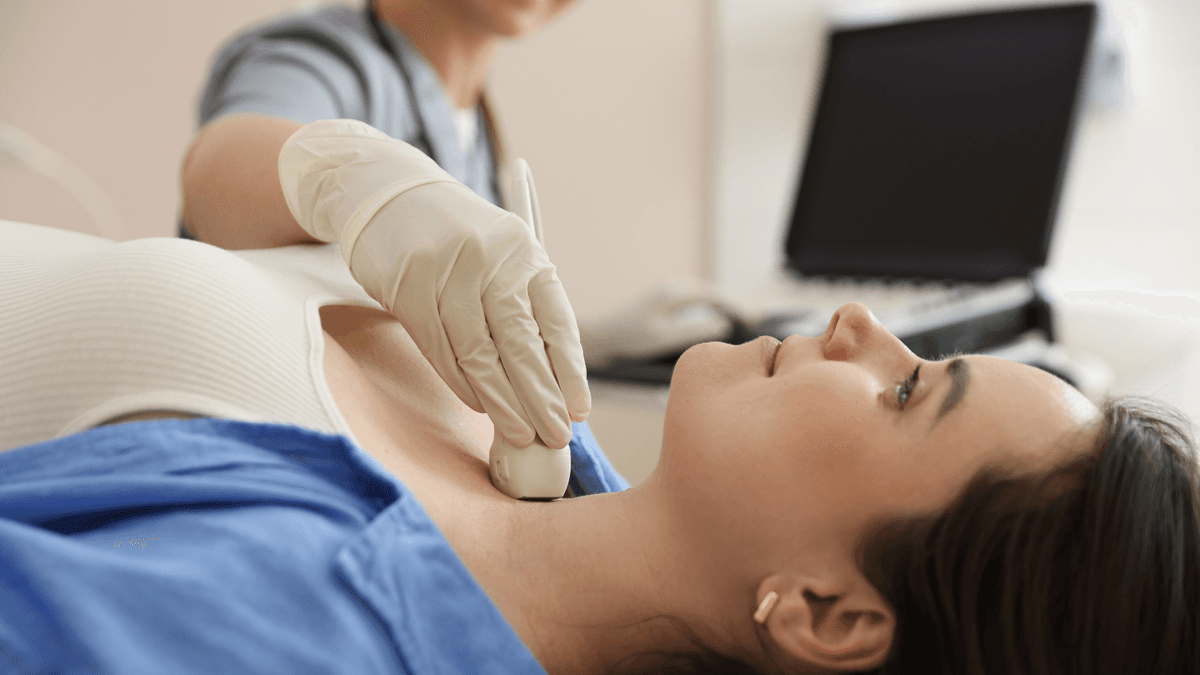
Ultrasound is the most widely used alternative to X-Ray Tests for Pregnant women. It uses high-frequency sound waves instead of radiation to create images of internal organs and the developing fetus. Because there is no radiation involved, ultrasound is considered completely safe throughout all stages of pregnancy.
Ultrasound is commonly used for:
- Monitoring fetal growth and development
- Evaluating abdominal or pelvic pain
- Assessing organs such as the liver, kidneys, and gallbladder
- Diagnosing pregnancy-related complications
When doctors want to avoid an X-ray test for fetal safety concerns, ultrasound is usually the first choice.
MRI: Detailed Imaging Without Radiation
2. Magnetic Resonance Imaging (MRI)
MRI is another highly effective alternative to Pregnancy X-Ray Tests. It uses magnetic fields and radio waves to produce detailed images of soft tissues and internal organs. Since MRI does not rely on ionizing radiation, it is considered safe during pregnancy—particularly after the first trimester.
MRI may be recommended when:
- Ultrasound results are unclear
- Detailed imaging of the brain, spine, or organs is required
- Complex conditions need further evaluation
Doctors usually avoid contrast agents during pregnancy, but a non-contrast MRI provides valuable diagnostic insight without the risks associated with X-Ray Tests for Pregnant women.
Echocardiography and Doppler Studies
3. Specialized Ultrasound-Based Tests
Echocardiography and Doppler imaging are specialized forms of ultrasound. These techniques are used to study blood flow, heart function, and placental circulation. Since they are ultrasound-based, they pose no radiation risk and are excellent alternatives to an X-ray test for fetal or maternal cardiovascular assessment.
These tests are often used to:
- Evaluate fetal heart structure and rhythm
- Assess placental blood flow
- Monitor high-risk pregnancies
CT Scans vs. Safer Alternatives
CT scans involve significantly higher radiation than standard X-rays and are generally avoided during pregnancy. In most cases, ultrasound or MRI can provide similar diagnostic information, eliminating the need for Pregnancy X-Ray Tests or CT imaging. CT scans are reserved only for life-threatening emergencies where no other imaging option is suitable.
Why Doctors Choose Alternatives First?
Doctors prioritize alternatives to X-Ray Tests for Pregnant women because:
- They eliminate radiation exposure
- They are safe for repeated use
- They provide reliable diagnostic accuracy
- They reduce stress and anxiety for expecting mothers
By choosing ultrasound or MRI, healthcare providers ensure that both maternal health and fetal safety are protected.
What Pregnant Women Should Tell Their Doctor Before an X-Ray
Medical imaging is often essential for accurate diagnosis, but during pregnancy it requires extra caution. Pregnancy X-Ray Tests can raise understandable concerns because X-rays involve ionizing radiation, which may affect a developing baby. That’s why open, clear communication with your healthcare provider is critical before undergoing any imaging. Knowing what to tell your doctor helps ensure that X-Ray Tests for Pregnant women are performed only when necessary—and as safely as possible.
Always Disclose Pregnancy or Possible Pregnancy
The most important step is to inform your doctor and radiology technician if you are pregnant or think you might be pregnant. Even if pregnancy is only suspected, this information can change the imaging plan entirely. Many Pregnancy X-Ray Tests are postponed or replaced with safer alternatives once pregnancy is known.
Early disclosure allows your care team to assess whether the test is urgent or can be delayed until after delivery, especially when an X-ray test for fetal areas like the abdomen or pelvis is being considered.
Share the Stage of Your Pregnancy
Tell your doctor how far along you are. The timing of exposure matters because the fetus is most sensitive to radiation during the first trimester, when organs are forming. Later in pregnancy, the risks are generally lower, but precautions are still essential. This information helps doctors determine the safest approach for X-Ray Tests for Pregnant women.
Explain Why the X-Ray Was Ordered
Ask and clarify the medical reason for the X-ray. Understanding the purpose helps both you and your doctor weigh the benefits against the risks. In some cases—such as serious injury, suspected infection, or trauma—delaying imaging could be more dangerous than the radiation itself. In others, safer options may be available, avoiding unnecessary Pregnancy X-Ray Tests.
Provide a Complete Medical History
Let your doctor know about:
- Any recent imaging you’ve already had
- Prior radiation exposure during this pregnancy
- Chronic conditions or recent injuries
- Medications you are taking
This context helps avoid repeat scans and reduces cumulative exposure during X-Ray Tests for Pregnant women.
Ask About Safer Alternatives
One of the most important questions to ask is: “Is there a safer alternative?” Ultrasound and MRI (without contrast) do not use ionizing radiation and are often preferred over an X-ray test for fetal or maternal assessment. If these alternatives can provide the necessary information, doctors typically choose them first.
Confirm Safety Precautions and Shielding
If an X-ray is unavoidable, ask what safety measures will be used. Doctors and radiology teams follow strict protocols, including:
- Lead apron shielding to protect the abdomen
- Using the lowest effective radiation dose
- Limiting the imaging area to reduce scatter radiation
These steps significantly reduce fetal exposure during Pregnancy X-Ray Tests.
Inform Them About Previous Complications or High-Risk Pregnancy
If you have a high-risk pregnancy or a history of complications, be sure to mention it. Conditions such as placental issues, previous pregnancy losses, or fetal growth concerns may influence decisions around X-Ray Tests for Pregnant women and imaging alternatives.
Don’t Hesitate to Ask Questions
Pregnancy is not the time to stay silent. Ask:
- Why the test is necessary
- Whether it can be postponed
- How fetal exposure will be minimized
- What signs to watch for afterward
Clear communication builds trust and ensures informed consent for any X-ray test for fetal or maternal evaluation.
Common FAQs About X-Ray Tests During Pregnancy
1. Are X-Rays completely unsafe during pregnancy?
Not necessarily. While Pregnancy X-Ray Tests are approached with caution, they are not automatically unsafe. The risk depends on the type of X-ray, the radiation dose, and the part of the body being examined. X-rays taken away from the abdomen—such as dental, chest, or limb X-rays—generally expose the fetus to very minimal radiation, especially when protective shielding is used.
2. Why are doctors cautious about X-ray test for fetal exposure?
The developing fetus is highly sensitive to radiation, particularly during the first trimester when organs are forming. An X-ray test for fetal or abdominal areas may slightly increase the risk of developmental issues if not properly managed. That’s why doctors follow strict guidelines to minimize exposure and only recommend imaging when the medical benefit outweighs the risk.
3. What should I do if I had an X-ray before knowing I was pregnant?
This is a very common concern. In most cases, a single accidental exposure from routine X-Ray Tests for Pregnant women does not cause harm. You should inform your doctor immediately so they can assess the level of exposure and provide reassurance. Doctors may monitor the pregnancy more closely, but serious complications from such exposure are rare.
4. Which Pregnancy X-Ray Tests are considered low risk?
Low-risk Pregnancy X-Ray Tests typically include:
- Dental X-rays
- Chest X-rays
- X-rays of arms, legs, hands, or feet
These tests do not directly involve the abdominal area, and with proper shielding, fetal exposure is extremely low.
5. Are CT scans the same as X-rays during pregnancy?
CT scans use higher levels of radiation compared to standard X-rays and are generally avoided during pregnancy. Doctors prefer alternatives such as ultrasound or MRI instead of CT or X-Ray Tests for Pregnant women, unless the situation is life-threatening and no other option can provide the necessary diagnosis.
6. Can protective shielding really keep my baby safe?
Yes. Lead aprons and abdominal shields are highly effective. When an X-ray is unavoidable, shielding significantly reduces radiation reaching the uterus. These precautions are a standard part of Pregnancy X-Ray Tests and play a major role in minimizing X-ray test for fetal exposure.
7. Are there safer alternatives to X-rays during pregnancy?
Absolutely. Doctors usually prefer:
- Ultrasound, which uses sound waves
- MRI (without contrast), which uses magnetic fields
Both are considered safe throughout pregnancy and are often chosen instead of X-Ray Tests for Pregnant women whenever possible.
8. Can X-rays cause birth defects?
The risk of birth defects from modern, low-dose Pregnancy X-Ray Tests is very low. Problems are more likely only with high radiation doses, which are rarely used and carefully avoided during pregnancy. Medical imaging today follows strict safety standards to protect both mother and baby.
9. Should I refuse all X-ray tests while pregnant?
Not always. Refusing a medically necessary X-ray can sometimes be more dangerous than having the test. If an infection, injury, or serious condition goes undiagnosed, it may threaten both maternal and fetal health. Doctors recommend X-Ray Tests for Pregnant women only when they are truly essential.
10. How can I protect myself and my baby?
Before any imaging:
- Inform your doctor if you are pregnant or might be
- Ask if alternatives to an X-ray test for fetal safety are available
- Confirm that shielding and low-dose techniques will be used
Being informed and proactive helps ensure the safest care.
Concerns about Pregnancy X-Ray Tests are completely valid, but modern medicine has made these procedures far safer than many people realize. With careful planning, protective measures, and alternative imaging options, X-Ray Tests for Pregnant women are managed responsibly and only used when necessary.
If you have doubts, ask questions—because informed decisions are key to a healthy pregnancy and peace of mind.